The Impact of Social Media on Community Building
George Hayes ·
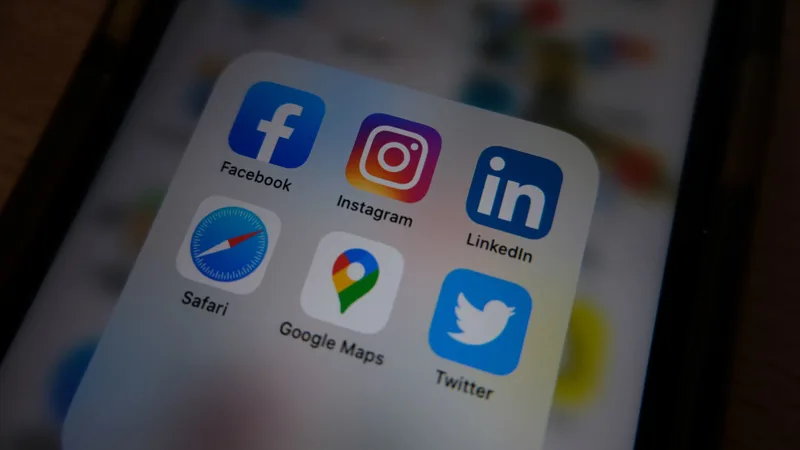
Social media platforms have become vital spaces for individuals to forge and nurture community connections. These platforms serve as modern-day town squares, facilitating interactions among diverse…
The Role of Social Media in Community Engagement
Social media fosters relationships and enhances community engagement. Platforms such as Facebook, Twitter, and Instagram provide users with tools to connect, share experiences, and build a sense of belonging. These connections can cross geographical boundaries, allowing people to forge relationships based on shared interests. As a result, social media serves as a powerful medium for creating bonds and nurturing communities that might not have existed otherwise
Through features like groups, events, and messaging, users can actively participate in discussions and support one another. This engagement strengthens individual connections and cultivates a supportive environment where community members feel heard and valued. The digital space offers an alternative for individuals to maintain and develop their social networks, especially when physical interactions are limited.
Building Connections Online
Online platforms revolutionize how individuals interact and build connections. Social media enables users to find and connect with others who share similar passions, which is essential for community building. Joining a Facebook group dedicated to a hobby or participating in Twitter chats allows for meaningful exchanges. The ease of sharing content, such as photos and articles, further enhances engagement and encourages discussions among members. With each interaction, the potential for deeper connections grows, fostering a sense of community.
Creating Community Spaces
Different social media platforms offer unique spaces for community interactions. For instance, Reddit features subreddits focused on specific interests, while Discord provides real-time communication through channels dedicated to various topics. These platforms allow users to share insights and encourage collaborative projects and discussions. By creating spaces tailored to specific interests, social media fosters a sense of belonging among users. As communities grow, they often become more organized, leading to a vibrant exchange of ideas and support.
How Social Networking Shapes Group Dynamics
Social networking significantly influences group dynamics by uniting individuals with shared interests. Connecting with others who share similar hobbies or goals creates camaraderie and collaboration. This unification often leads to supportive networks that empower individuals to engage more actively. Social media also facilitates the dissemination of information and resources, helping individuals and groups organize and mobilize for various causes.
As users interact within these networks, they develop a collective identity that enhances their overall experience. This dynamic fosters a supportive atmosphere, encouraging individuals to contribute and participate in group activities. Social media not only facilitates connections but nurtures the growth of communities that thrive on shared interests, promoting a sense of belonging among users.
The Influence of Shared Interests
Shared interests serve as a cornerstone for strong community dynamics. When individuals connect over common hobbies, whether it’s gaming, cooking, or sports, they establish a foundation for collaboration and mutual support. Social media platforms enable users to discover and engage with others who share these interests. Discussions and exchanges from these interactions can lead to new friendships and partnerships, enriching the community as a whole. This sense of unity encourages individuals to participate actively, leading to a more vibrant group.
Facilitating Collective Action
Social media has proven to be a powerful tool for mobilizing communities for collective action. Users can easily share information about events, petitions, or initiatives, allowing them to rally support for causes they care about. This capability enhances the community's ability to coordinate efforts and make a meaningful impact. For instance, a group might organize a charity event or a campaign for social change, leveraging their collective voice to amplify their message. The speed at which information spreads on social media empowers communities to act swiftly, fostering a strong sense of purpose and collaboration.
Social Networking and Community: A New Era of Interaction
Social networking and community building have undergone significant transformations in recent years. Platforms like Facebook, Twitter, and Instagram have reshaped how individuals connect, share, and engage with each other. Communication has evolved from traditional face-to-face interactions to instant messaging and multimedia sharing, creating a more dynamic exchange of ideas. This shift has fostered a new era of interaction where online connections often feel just as meaningful as those made in person.
User-generated content plays a crucial role in community building. By sharing their experiences, opinions, and creativity, users contribute to a collective narrative that strengthens community ties. Authentic content resonates more deeply than polished marketing messages, encouraging others to participate and engage. This phenomenon is evident across various social media channels, where individuals can express themselves freely and connect over shared interests.
Evolving Communication Styles
Communication styles have shifted dramatically in the age of social media. With the rise of emojis, memes, and GIFs, individuals have adapted their messaging to be more visual and expressive. These new forms of communication convey emotions and create a sense of community among users who share similar cultural references. Additionally, video content has surged in popularity, allowing people to connect in more personal ways. This evolution makes it easier for users to engage with one another and foster lasting relationships online.
The Impact of User-Generated Content
User-generated content has transformed how communities are built and maintained on social media. Individuals can share their stories and insights, providing a platform for voices that might otherwise go unheard. This content sparks discussions and encourages others to share their perspectives, creating a vibrant ecosystem of interaction. The authenticity of user-generated content fosters trust among community members, as they engage with real experiences rather than curated marketing efforts. This dynamic lays the groundwork for deeper connections and a sense of belonging.
The Intersection of Social Media and Online Gambling
The integration of social media into online gambling has opened new avenues for player engagement and community building. As casinos increasingly leverage platforms like Facebook and Instagram, they create opportunities for players to connect beyond the traditional gaming experience. These interactions enhance the enjoyment of online gambling, allowing players to share wins, strategies, and experiences with a wider audience. This connection fosters a sense of community among players and encourages prospective users to join in on the fun.
Online casinos are employing various strategies to engage players through social media. This includes sharing exclusive promotions, hosting live events, and encouraging user-generated content related to gaming experiences. By doing so, casinos create a more interactive environment that resonates with players. Engaging content on social media can attract new users and keep existing players invested in the community. 🎰
Engaging Players Through Social Platforms
Casinos actively use social media to build relationships with players. Engaging content, such as live-streamed events, contests, and giveaways, fosters interaction and excitement. Players are encouraged to share experiences, creating camaraderie among users. This strategy enhances the gaming experience and allows casinos to gather valuable feedback and insights. By being responsive and attentive on social platforms, casinos strengthen community ties and enhance player loyalty.
Community Building in iGaming
Online gambling sites recognize the importance of community building among users. Many platforms include features that allow players to chat, form groups, and share strategies. These forums and chat rooms provide a space for players to connect, share tips, and celebrate successes. This sense of community enhances the gaming experience, making it more enjoyable and collaborative. By fostering these connections, online casinos create a loyal player base that feels valued and engaged.
Browser-Based Gambling: A Community Experience
Online environments foster connections among users, significantly enhancing the player experience in browser-based gambling. Players engage not just with games; they are part of communities sharing insights, strategies, and camaraderie. This social aspect transforms solitary gameplay into a shared journey, creating a vibrant atmosphere where players feel they belong.
Forums play a crucial role in community building. They serve as platforms for players to discuss experiences, ask questions, and seek advice. Participation in these forums often leads to friendships and alliances extending beyond the games themselves. Players share tips, game strategies, and celebrate each other's victories, enriching the gaming experience.
The Role of Online Forums
Online forums enhance player interaction within the browser-based gambling community. They provide a space for players to connect, exchange ideas, and discuss various aspects of gaming experiences. Whether sharing insights on game mechanics or discussing the latest promotions, forums foster a sense of belonging among users. Players can ask questions, find solutions to common problems, and learn from each other. This interaction encourages players to engage more deeply with the games they love.
Social Features in Casino Games
Casino games increasingly integrate social features that enhance community dynamics. These features include chat functions, leaderboards, and multiplayer options, allowing real-time interaction. Many games enable players to form teams or participate in tournaments, increasing engagement and competition. These social elements make gameplay more enjoyable and create opportunities for players to build relationships with others who share similar interests. The result is a more immersive and connected gaming experience that appeals to a wide audience. 🎮